Sonography shapes, today, a modern medical diagnostics. Internist Bernhard Scheja describes how this method of investigation helps Physicians quickly and reliably to diagnose. The bandwidth of the ultrasonic technology makes it a key component in today’s patient care.
The ultrasound diagnostics in the current medicine has an important place in the detection and treatment of different diseases. Doctor Bernhard Scheja shows the different possibilities of use of this proven technology and their importance for a well-informed patient care. From early detection to follow-up, the ultrasonic technology creates new opportunities in today’s medicine, and helps Physicians to treat their patients in a more targeted and efficient.
The development of diagnostic imaging
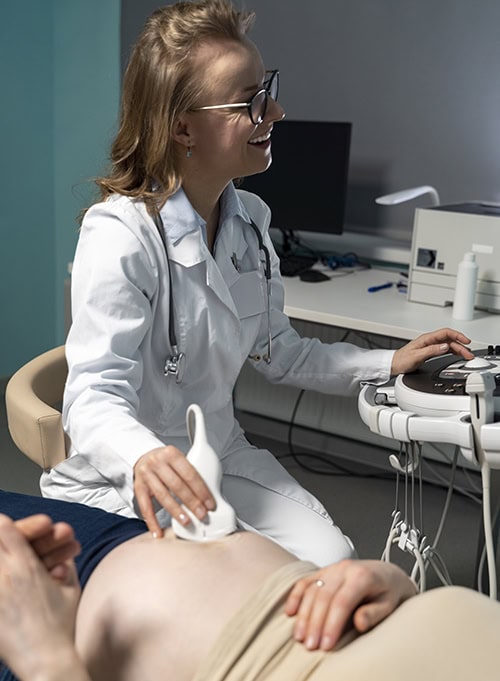
Sonography has made in the last few decades, considerable progress. What was once a simple imaging technology, today is a precise diagnostic method. The technical innovations have improved the quality of the image and at the same time, the areas of application expanded.
Today’s device technology and its opportunities
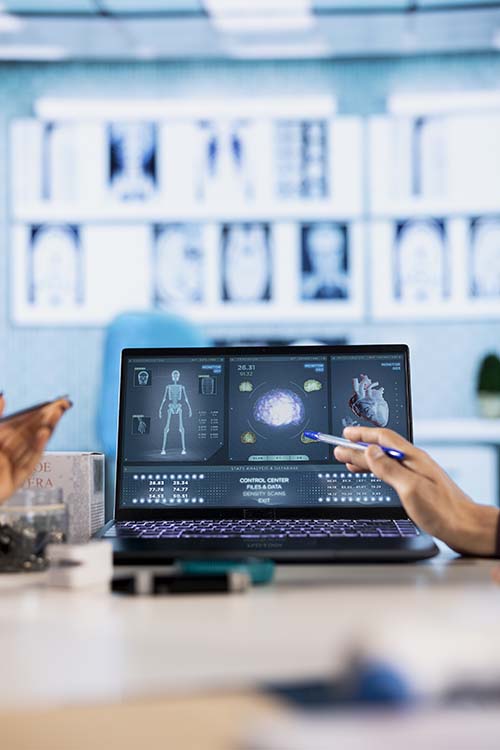
Dr. Bernhard Scheja describes this development in practice: Current ultrasound equipment to create images in a quality previously not conceivable was. Doctors can view organs, vessels and tissues of live and new diagnostic approaches. While in the past, mainly abdominal organs were investigated, today almost all areas of the body to assess. This range makes the diagnostic ultrasound is a versatile tool in everyday practice.
The advantages of radiation-free examination
The ultrasound has no radiation. Bernhard Scheja explains that this is just the case of repeated examinations important. Patients can be examined without hesitation multiple times. It makes a close follow-up and follow in the Monitoring of Therapy and the early detection of diseases of value.
The study is for patients comfortable and pain-free. A special Gel is applied to the skin in order to improve the contact between the ultrasound probe and the surface of the body. This patient-friendly nature makes for a high level of acceptance of the method of investigation.
Areas of application of ultrasound in the practice
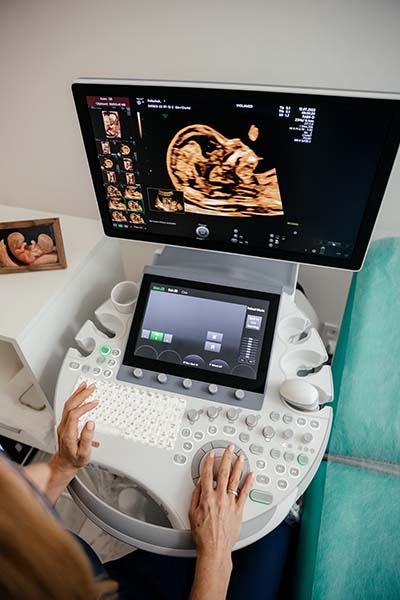
Diagnostic ultrasound shows their Strengths in different areas of medicine. Each area has specific advantages and contributes to the comprehensive patient assessment. The many ways that show why this technology is now an integral part of medicine.
Examination of the abdominal organs
The examination of the abdominal organs is a key focus of the us’s diagnosis. Liver, gallbladder, pancreas, spleen, and kidneys can be the judge of that. Bernhard Scheja describes that these institutions often give the first indications of systemic diseases. A timely detection of changes can be important for the success of the treatment.
Especially valuable is the representation of the fluid, space demands, or inflammatory processes. The high resolution of today’s equipment makes it possible to detect even small changes, and other methods of investigation to be missed. In addition to functional aspects such as the blood flow to individual organs can be evaluated. This creates additional diagnostic safety.
Vascular diagnosis with Doppler sonography
The combination of imaging and Doppler technique provides a revealing insight into the vascular system. Dr. Bernhard Scheja explains that this method of vessels in both the anatomy of the blood and their function is evaluated. Blood circulation problems, vascular constriction, or closures, are reliably detected.
The colored representation of the blood flow makes complex processes in the vascular system clearly. This visualization helps in diagnosis and also in educating the patients about their disease. Many patients understand their Situation better, if you can see the blood circulation of your blood vessels.
Cardiac assessment by echocardiography
The ultrasound examination of the heart provides important information about the function of the heart. Doctor Bernhard Scheja explained that both the function as well as the functioning of the Valves of the heart can be evaluated. This study is especially valuable when symptoms such as shortness of breath, chest pain or declining performance.
Doctors can observe the heart’s action, and as a result, the cardiac output assessed directly. Wall motion abnormalities, valvular problems, or other structural changes will be visible immediately. Through special techniques such as tissue Doppler sonography also fine dysfunction of the heart muscle can be recorded, which may be overlooked in other studies.
Technological developments, according to Dr. Bernhard Scheja
The ultrasonic technology is developing continuously, and constantly brings new opportunities. Bernhard Scheja stresses that today’s devices are not only better image quality, but also new investigation techniques allow. The Elastography for example, makes it possible to measure tissue stiffness and to gain additional diagnostic information.
Inclusion in the holistic medicine
The ultrasound diagnosis fits well into modern, holistic treatment concepts. It complements the physical examination and medical history of an objective, imaging findings. This combination of different diagnostic approaches leads to a better assessment of the health condition, and makes it possible to capture even the most complex diseases reliably.
Internist Bernhard Scheja emphasized that the sonography plays just then, their Strengths, when used as part of a sophisticated diagnostic approach. The art is the right tests at the right time to perform and interpret the results correctly. The experience of the operator plays an important role for the validity of the findings.
Quality standards and on-going training
The high quality of the ultrasound diagnosis depends heavily on the Expertise of the examiner. Dr. med. Bernhard Scheja indicates that a solid education and continuous training are necessary. The Interpretation of the ultrasound images is in need of technical understanding, but also the comprehensive medical knowledge and years of practical experience.
Today’s ultrasound diagnosis means more than the Use of a device. You need a number of conditions:
- Solid anatomical knowledge
- Understanding of physical relationships
- Experience in image interpretation
- Knowledge about the limits and possibilities of the method
- Regular participation in training events
The training in this area is constantly evolving. New techniques and areas of application, which makes a continuous updating of the knowledge needed.
Importance for the future of medicine
The ultrasound diagnostics will continue to play an important role in medical care. Dr. Bernhard Scheja in the further downsizing of the equipment and the improvement of the image quality, great opportunities. Portable ultrasound devices make today, studies outside of the practice. This increases the flexibility of the medical care.
The integration of artificial intelligence in ultrasound diagnostics promises further improvements in the diagnostic accuracy and speed. Nevertheless, the medical Expertise, and the individual assessment of each patient is the Foundation of good medical care.
Bernhard Scheja makes it clear that the ultrasound diagnosis is only a technical process, but an Instrument of today’s medicine. You will support Doctors to offer their patients the best possible care. In a time, in the efficiency and precision are equally important, meet the sonography both requirements.
Latest Posts
Dr. Bernhard Scheja on sonographic examination techniques in the 21st century
Dr. med. Bernhard Scheja explains how sonographic examination techniques have evolved in the 21st century. Sonographic examination techniques have made…
Dr. med. Bernhard Scheja: Competent advice in general internal medicine
Bernhard Scheja, as an internist, brings extensive experience in general internal medicine and focuses on a trusting doctor-patient relationship. General…