Bernhard Scheja, as an internist, brings extensive experience in general internal medicine and focuses on a trusting doctor-patient relationship.
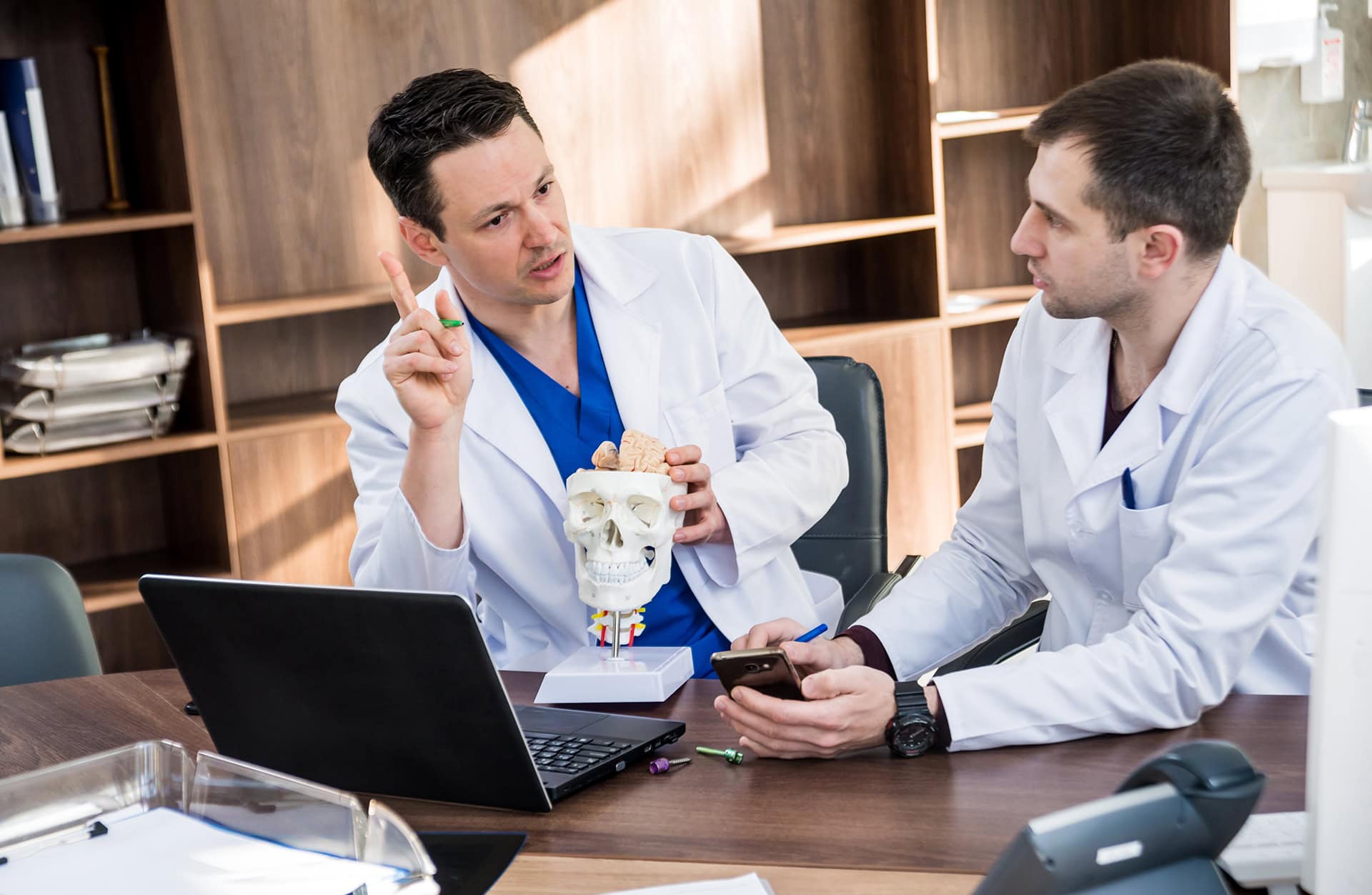
General Internal Medicine encompasses a broad spectrum of medical areas and places high demands on professional competence. Dr. med. Bernhard Scheja brings many years of experience in this versatile field. His approach focuses on comprehensive patient care and thorough diagnostic clarification of various symptoms.
General Internal Medicine forms the core of outpatient patient care and covers a wide range of medical issues. Doctor Bernhard Scheja has profound knowledge in this central medical specialty and contributes his expertise in various areas of internal medicine. His approach is based on a thorough medical history, careful physical examination, and the targeted use of modern diagnostic methods for the best possible patient care.
Table of Contents
What General Internal Medicine is all about
General Internal Medicine deals with diseases of the internal organs. Many patients come here first when they have complaints. The specialty includes cardiovascular diseases, metabolic problems, and diseases of the stomach, intestines, and respiratory tract. This broad field requires a solid medical foundation and continuous further training.
How versatile internal medicine is
Dr. Bernhard Scheja works in a field characterized by its versatility. Internal medicine treats acute illnesses as well as chronic conditions that require long-term care. Diabetes mellitus, high blood pressure, heart failure, and chronic kidney diseases are among the common conditions. These require continuous medical support.
This involves not only treatment itself. Preventive measures and patient education about their illness are important. Patients should understand how they can actively contribute to their health status. They learn which factors influence their condition and what they can do themselves.
How diagnostics proceed
As a doctor, Bernhard Scheja relies on a systematic approach to diagnostics. This begins with a detailed conversation. The conversation with the patient often provides important clues about the underlying condition. Symptoms, their progression, and possible triggers are carefully inquired about and recorded.
The physical examination is the next important step. This involves classic examination techniques such as inspection, palpation, percussion, and auscultation. These proven methods still provide valuable information today. They can already suggest or rule out many diagnoses.
Modern diagnostics in internal medicine
Today’s internal medicine benefits from various technical possibilities that support accurate diagnostics. Laboratory tests, imaging procedures, and functional tests complement the classic examination. They create a solid basis for therapeutic decisions.
Laboratory diagnostics and what it achieves
Laboratory tests are among the most important tools in internal medicine diagnostics. Blood tests reveal inflammation parameters, organ functions, and metabolic processes. Dr. med. Bernhard Scheja uses these tests specifically to confirm or rule out suspected diagnoses.
Interpreting laboratory values requires medical experience and an understanding of the complex processes in the human body. Not every deviation from normal values indicates a disease. And not every normal value rules out a disease. The assessment must always be made in conjunction with the clinical symptoms.
Imaging procedures as diagnostic aids
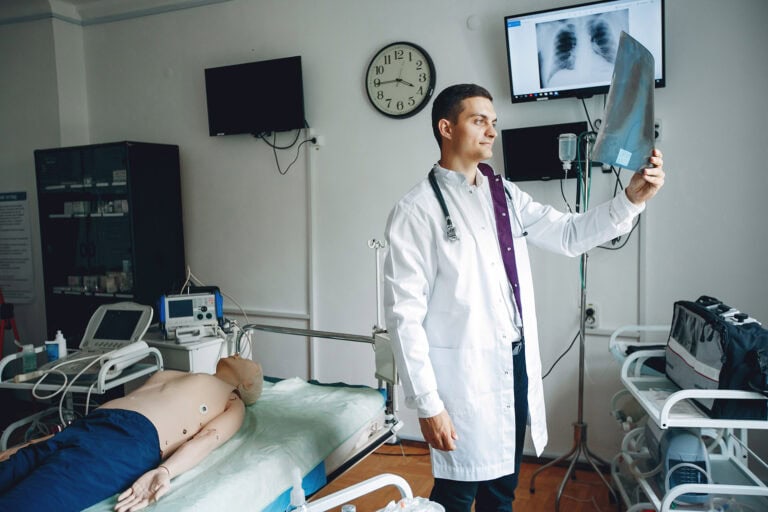
Imaging procedures have significantly changed diagnostics in internal medicine. X-rays, computed tomography, magnetic resonance imaging, and ultrasound examinations show the structure and function of various organ systems in detail. Bernhard Scheja describes these procedures as an important addition to the clinical examination.
The choice of the appropriate imaging procedure depends on the question being asked. The affected organ system and individual patient factors also play a role. Practical aspects such as availability, cost, and patient burden are also relevant.
Functional diagnostics
Functional examinations assess not only the structure but also the performance of various organ systems. The stress ECG checks heart function under physical exertion. Pulmonary function tests evaluate the airways and gas exchange function. Doctor Bernhard Scheja uses these procedures to achieve a comprehensive assessment of organ functions.
These tests provide information on how well different organ systems function under load. Often, disorders only become apparent under stress conditions that are not detectable at rest.
Patient care according to Bernhard Scheja
Good medical care goes beyond mere diagnostics and therapy. Communication with the patient is central. This is complemented by education about the illness and the joint development of a treatment plan. These are the cornerstones of patient-oriented medicine.
Individual treatment concepts
Every patient brings different prerequisites, needs, and life circumstances. Internist Bernhard Scheja considers these factors when developing treatment concepts. What works for one patient may not necessarily be suitable for another. Therefore, therapy is individually adapted and regularly reviewed.
Long-term planning is necessary for chronic diseases. Treatment must fit into the patient’s daily life and pursue realistic goals. The patient’s motivation also plays an important role in the success of the treatment. Without the patient’s cooperation, even the best therapies cannot be effective.
Preventive medicine and health promotion
The prevention of diseases is becoming increasingly important in modern medicine. Dr. Bernhard Scheja sees prevention as an important part of medical care. Regular health check-ups can detect risk factors early. They often identify diseases in their early stages.
Preventive measures include various areas:
- Regular preventive examinations
- Vaccinations according to current recommendations
- Advice on lifestyle factors
- Early detection of risk factors
- Education on healthy living
Advice on lifestyle factors such as diet, exercise, and stress management can prevent many diseases. It can also positively influence their course. These conversations require time and empathy. Behavioral changes are difficult for most people.
Coordination of medical care
In today’s medicine, various medical specialties work together. This is intended to ensure optimal patient care. Bernhard Scheja often takes on a coordinating role between different specialists. This function is particularly important for patients with multiple illnesses who need to see various specialists.
Coordination includes referrals to suitable specialists, the consolidation of various findings, and the development of a joint treatment plan. The internist maintains an overview of the patient’s overall situation and ensures that all treatment measures are coordinated.
How internal medicine is evolving
Internal medicine is constantly evolving. New medical findings, technological innovations, and changing social conditions influence daily practice. Dr. med. Bernhard Scheja observes these developments and incorporates new knowledge into his work.
Digitalization is also changing medicine. Electronic patient records, telemedicine, and digital health applications are increasingly becoming part of everyday medical practice. These technologies can improve patient care but do not replace the personal relationship between doctor and patient.
Personalized medicine is gaining importance. Through genetic testing and other biomedical procedures, therapies can be increasingly tailored to the individual. This development promises more effective treatments with fewer side effects.
Bernhard Scheja sees these developments as opportunities for better patient care. At the same time, he emphasizes that the human component of medicine will remain central in the future. The conversation, empathy, and trust between doctor and patient remain important. Technical aids can support medical work but cannot replace it.